Ropivacaine: quick answers
- Used for
- Ropivacaine Hydrochloride Injection is indicated for the production of local or regional anesthesia for surgery and for acute pain management.
- Prescription
- Prescription medicine in the United States; rules differ by country.
From the official label (Mar 2026). Your prescription and pharmacist come first.
How to use Ropivacaine
What the official label says. If a doctor prescribed it, follow the prescription. Your pack's leaflet comes first if it is different.
Who it is for
Ropivacaine Hydrochloride Injection is indicated for the production of local or regional anesthesia for surgery and for acute pain management. Surgical Anesthesia : epidural block for surgery including cesarean section; major nerve block; local infiltration. Acute Pain Management : epidural continuous infusion or intermittent bolus, e.g., postoperative or labor; local infiltration Ropivacaine Hydrochloride is an amide local anesthetic indicated in adults for the production of local or regional anesthesia for surgery and for acute pain management. ( 1 ) Surgical Anesthesia: epidural block for surgery including cesarean section; major nerve block; local infiltration. …
How to take it and how often
- See Table 1 for Dosage Recommendations
- Important Administration Instructions There have been adverse event reports of chondrolysis in patients receiving intra-articular infusions of local anesthetics following arthroscopic and other surgical procedures
- Ropivacaine Hydrochloride Injection is not approved for this use [see Warnings and Precautions ]
- The rapid injection of a large volume of local anesthetic solution should be avoided and fractional (incremental) doses should always be used
- The smallest dose and concentration required to produce the desired result should be administered
- The dose of any local anesthetic administered varies with the anesthetic procedure, the area to be anesthetized, the vascularity of the tissues, the number of neuronal segments to be blocked, the depth of anesthesia and degree of muscle relaxation required, the duration of anesthesia desired, individual tolerance, and the physical condition of the patient
- Patients in poor general condition due to aging or other compromising factors such as partial or complete heart conduction block, advanced liver disease or severe renal dysfunction require special attention although regional anesthesia is frequently indicated in these patients
- To reduce the risk of potentially serious adverse reactions, attempts should be made to optimize the patient's condition before major blocks are performed, and the dosage should be adjusted accordingly
- Use an adequate test dose (3 to 5 mL of a short acting local anesthetic solution containing epinephrine) prior to induction of complete block. …
Strengths it comes in
Ropivacaine Hydrochloride Injection, USP is a clear, colorless, preservative-free solution available as: Ropivacaine Hydrochloride Injection, USP Single Dose Vials • 0.2%, 20 mg per 10 mL (2 mg/mL), in 10 mL single-dose vial • 0.2%, 40 mg per 20 mL (2 mg/mL), in 20 mL single-dose vial • 0.5%, 100 mg per 20 mL (5 mg/mL), 20 mL single-dose vial • 0.5%, 150 mg per 30 mL (5 mg/mL), 30 mL single-dose v …
While you are taking it
- Information for Patients and Caregivers When appropriate, patients should be informed in advance that they may experience temporary loss of sensation and motor activity in the anesthetized part of the body following proper administration of lumbar epidural anesthesia
- Also, when appropriate, the physician should discuss other information including adverse reactions in the Ropivacaine Hydrochloride Injection package insert
- Inform patients that use of local anesthetics may cause methemoglobinemia, a serious condition that must be treated promptly. …
Talk to a doctor first if
- Ropivacaine Hydrochloride is contraindicated in patients with a known hypersensitivity to ropivacaine or to any local anesthetic agent of the amide type
- History of hypersensitivity to local anesthetics of the amide type
Medicines it may not mix with
Patients who are administered local anesthetics are at increased risk of developing methemoglobinemia when concurrently exposed to the following drugs, which could include other local anesthetics [see Warnings and Precautions ( 5.4 )]: Examples of Drugs Associated with Methemoglobinemia Class Examples Nitrates/Nitrites nitric oxide, nitroglycerin, nitroprusside, nitrous oxide Local anesthetics articaine, benzocaine, bupivacaine, lidocaine, mepivacaine, prilocaine, procaine, ropivacaine, tetracaine Antineoplastic agents cyclophosphamide, flutamide, hydroxyurea, ifosfamide, rasburicase Antibiotics dapsone, nitrofurantoin, para-aminosalicylic acid, sulfonamides Antimalarials chloroquine, primaq …
Warnings
• Delay in proper management of dose-related toxicity, under ventilation, and/or altered sensitivity may lead to the development of acidosis, cardiac arrest and, possibly, death. ( 5.1 ) • In performing Ropivacaine Hydrochloride blocks, unintended intravenous injection is possible and may result in cardiac arrhythmia or cardiac arrest. ( 5.2 ) • Intra-articular infusions of local anesthetics may cause chondrolysis. Ropivacaine Hydrochloride is not approved for this use. ( 5.3 ). • Signs of methemoglobinemia may occur. …
Possible side effects
Reactions to ropivacaine are characteristic of those associated with other amide-type local anesthetics. A major cause of adverse reactions to this group of drugs may be associated with excessive plasma levels, which may be due to overdosage, unintentional intravascular injection or slow metabolic degradation. The reported adverse events are derived from clinical studies conducted in the U.S. and other countries. The reference drug was usually bupivacaine. The studies used a variety of premedications, sedatives, and surgical procedures of varying length. A total of 3,988 patients have been exposed to Ropivacaine Hydrochloride at concentrations up to 1% in clinical trials. …
Pregnancy and breastfeeding
IN SPECIFIC POPULATIONS 8.1 Pregnancy Risk Summary There are no available human data on use of Ropivacaine Injection in pregnant women to evaluate a drug- associated risk of major birth defects, miscarriage, or other adverse maternal or fetal outcomes. …
If you take too much
Acute emergencies from local anesthetics are generally related to high plasma levels encountered, or large doses administered, during therapeutic use of local anesthetics or to unintended subarachnoid or intravascular injection of local anesthetic solution [see Adverse Reactions ( 6 ) and Warnings and Precautions ( 5.1 , 5.2 , 5.6 )]. 10.1 Treatment Therapy with Ropivacaine Hydrochloride should be discontinued at the first sign of toxicity. …
If you miss a dose
Take it when you remember, unless it is nearly time for the next dose. Then skip the missed one. Never take two doses at once to make up for it. Check your leaflet, as some medicines are different.
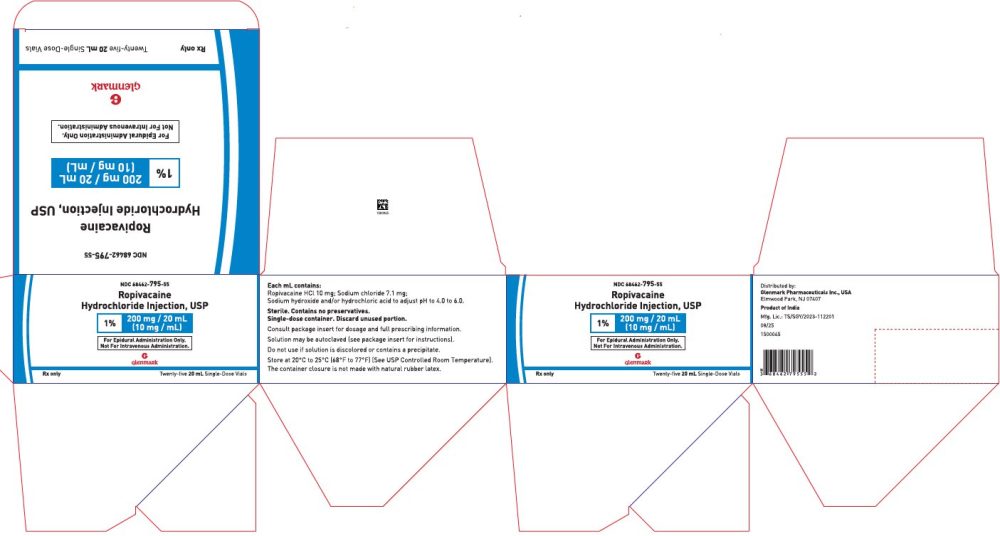
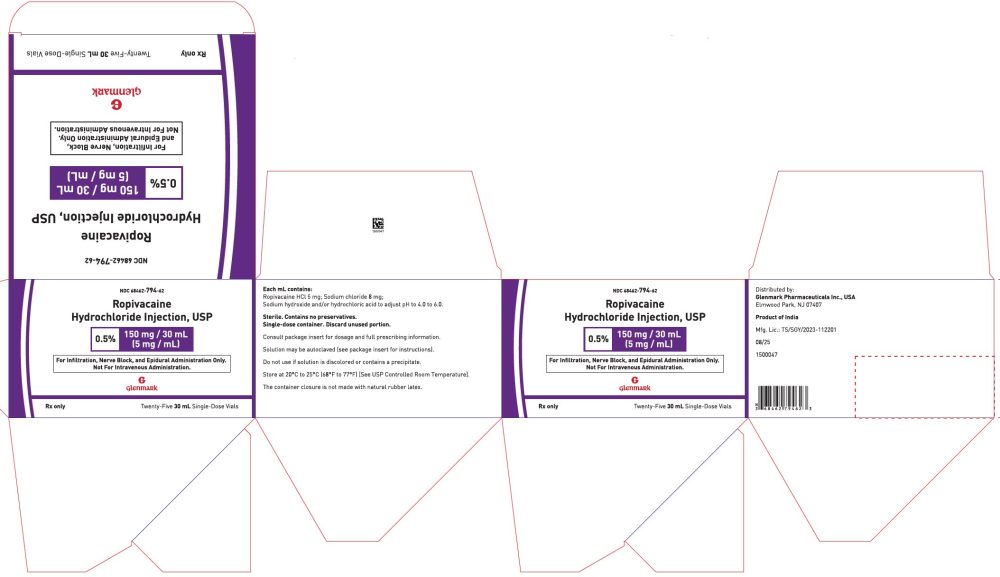
What Ropivacaine looks like
Compare with your pack. Packs differ between countries and makers; a pack that looks different is not always fake, so scan it to check the registration.
Same medicine, other brands
Products with Ropivacaine as the active ingredient. Names differ between countries.
Registered products
United States (FDA)
Other countries: check your pack's registration number and we point you to your regulator.
Safety alerts and recalls
A recall usually affects certain batches only. Compare the lot number on your pack.
Check your pack of Ropivacaine
Type the registration number on the pack, or scan it with your camera.
Questions about Ropivacaine
What is in Ropivacaine?
Ropivacaine contains Ropivacaine. Other brands with the same active ingredient work the same way; the dose and strength on your pack are what matter.
What is Ropivacaine used for?
Ropivacaine Hydrochloride Injection is indicated for the production of local or regional anesthesia for surgery and for acute pain management. Surgical Anesthesia : epidural block for surgery including cesarean section; major nerve block; local infiltration. Acute Pain Management : epidural continuous infusion or intermittent bolus, e.g., postoperative or labor; local infiltration Ropivacaine Hydrochloride is an amid (From the official U.S. FDA label.)
How do I take Ropivacaine?
Follow your prescription or the leaflet in your pack. The official label says: • See Table 1 for Dosage Recommendations. ( 2.2 ) 2.1 Important Administration Instructions There have been adverse event reports of chondrolysis in patients receiving intra-articular infusions of local anesthetics following arthroscopic and other surgical procedures. Ropivacaine Hydrochloride Injection is not approved for this use [see Warnings and Precautions ( 5.3 )]. The ra…
Do I need a prescription for Ropivacaine?
Usually yes. Ropivacaine is a prescription medicine in most countries. Rules differ by country.
What brands contain Ropivacaine?
Ropivacaine is sold under names such as Naropin, Ropivacaine Hydrochloride. Brand names differ between countries.
What are the side effects of Ropivacaine?
The official label lists: Reactions to ropivacaine are characteristic of those associated with other amide-type local anesthetics. A major cause of adverse reactions to this group of drugs may be associated with excessive plasma levels, which may be due to overdosage, unintentional intravascular injection or slow metabolic degradation. The reported adverse events are derived from clinical studies conduc… Tell your doctor about any side effect that bothers you or does not go away.
Can I take Ropivacaine when pregnant or breastfeeding?
8.1 Pregnancy Risk Summary There are no available human data on use of Ropivacaine Injection in pregnant women to evaluate a drug- associated risk of major birth defects, miscarriage, or other adverse maternal or fetal outcomes. … Ask your doctor or midwife first.
What medicines interact with Ropivacaine?
Patients who are administered local anesthetics are at increased risk of developing methemoglobinemia when concurrently exposed to the following drugs, which could include other local anesthetics [see Warnings and Precautions ( 5.4 )]: Examples of Drugs Associated with Methemoglobinemia Class Examples Nitrates/Nitrites nitric oxide, nitroglycerin, nitroprusside, nitrous oxide L… Use the free interaction checker before combining medicines.
What happens if I take too much Ropivacaine?
Acute emergencies from local anesthetics are generally related to high plasma levels encountered, or large doses administered, during therapeutic use of local anesthetics or to unintended subarachnoid or intravascular injection of local anesthetic solution [see Adverse Reactions ( 6 ) and Warnings a… Get medical help right away.
How can I check that my Ropivacaine is genuine?
Scan the registration number on your pack with PillVera (NAFDAC number in Nigeria, NDC in the United States, DIN in Canada), check the expiry date and buy only from licensed pharmacies.
Sources
- U.S. FDA drug label (label of 9 Mar 2026)
- U.S. National Library of Medicine, RxNorm
- U.S. FDA National Drug Code directory
- WHO Medical Product Alerts
This page shows what official sources say, in plain words. It is not medical advice: your prescription and your doctor or pharmacist come first. Brand names, strengths and rules differ between countries.